Tasmanian FOGO compost · Bridgewater & Oatlands
Soil that is still alive.
Council food and garden organics, sorted on Bluemetal Drive and composted at Interlaken. Pasteurised, screened, and sold back to Tasmanian farms and gardens.
🌡 PasteurisedHeld above 55°C
✓ Batch testedAS4454 every run
▣ Site entryInduction required
Two Tasmanian yards
Sorted in Bridgewater. Composted at Interlaken.
FOGO never gets composted at the sorting shed. It is cleaned in Bridgewater, then hauled to Oatlands and turned in windrows for about fourteen weeks.
What FOGO is
The lime-green bin. Food organics and garden organics.
Councils collect it kerbside. We turn it into soil. If it lived or grew, it usually belongs in FOGO — not the red lid.
Leave these out
- Plastic bags — even ones labelled biodegradable
- Nappies, wipes, clothing, and vacuum dust
- Glass, metal, treated timber, and hard waste
- Thick branches and building rubble
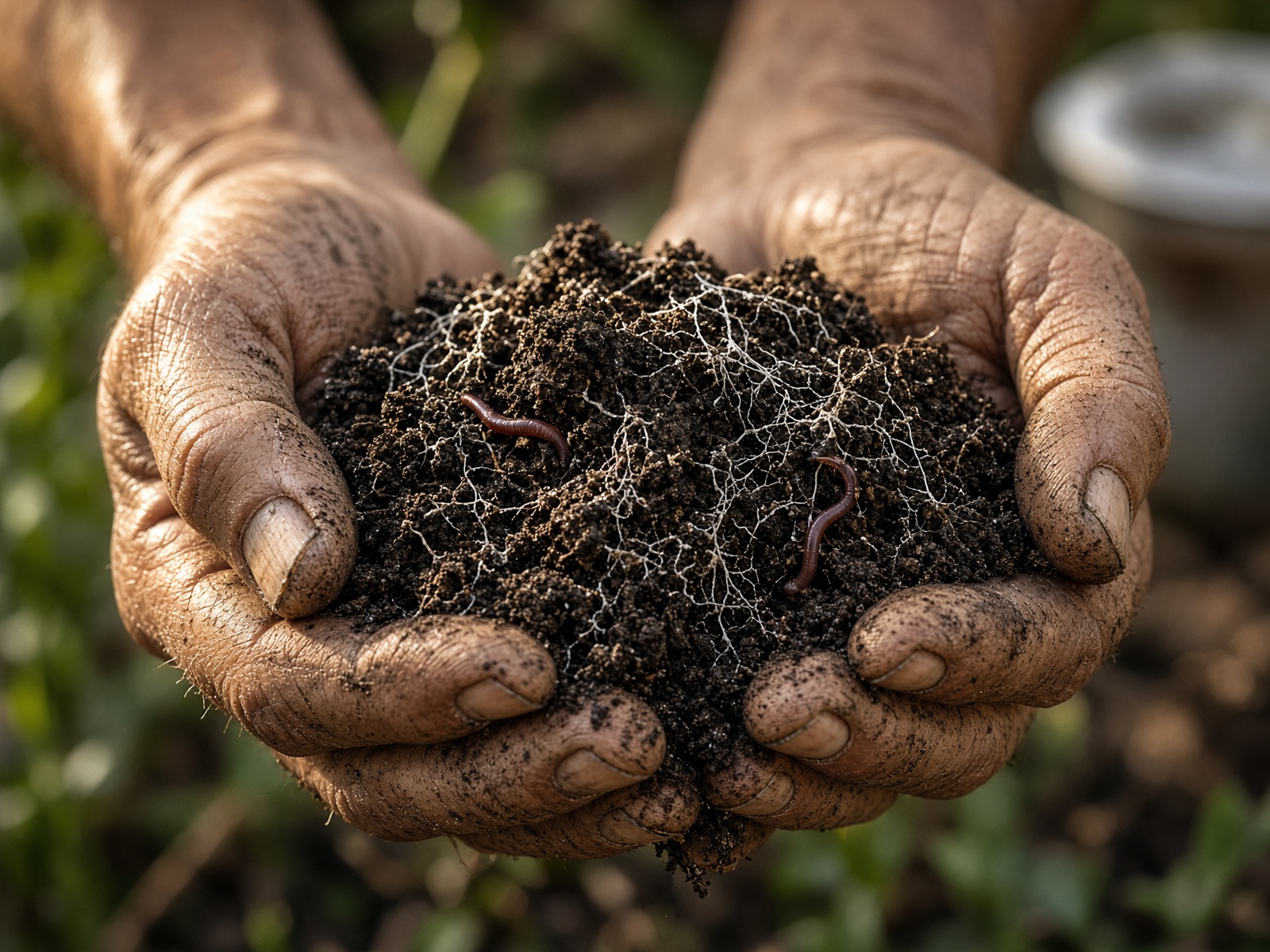
Why compost FOGO
Landfill makes methane. Compost makes soil.
Buried organics rot without air. Composted organics go back onto paddocks and gardens as carbon, structure, and water-holding capacity.
How we make it →Benefits
What the compost is for.
Products